Optimal Timing for Irrigation Installations
Understanding the best time to undertake irrigation installations ensures optimal system performance and longevity. Timing depends on climate conditions, plant growth cycles, and soil moisture levels. Proper scheduling can minimize disruptions and enhance water efficiency.
Spring is ideal for irrigation setup as soil temperatures rise, allowing systems to establish before peak growing seasons.
Installing in late summer or early fall provides time for system adjustments before the dormant season begins.
Winter installations are generally discouraged due to cold temperatures and frozen ground, which hinder system setup and testing.
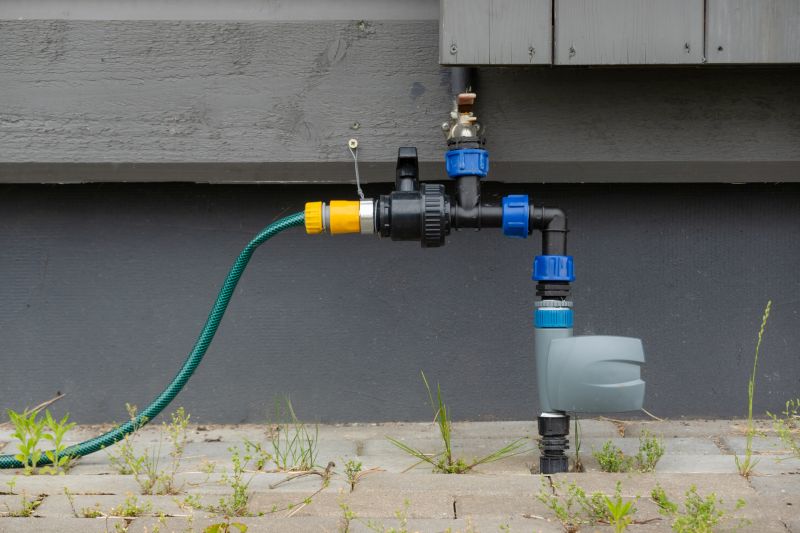
Spring installation allows systems to be operational during the growing season.
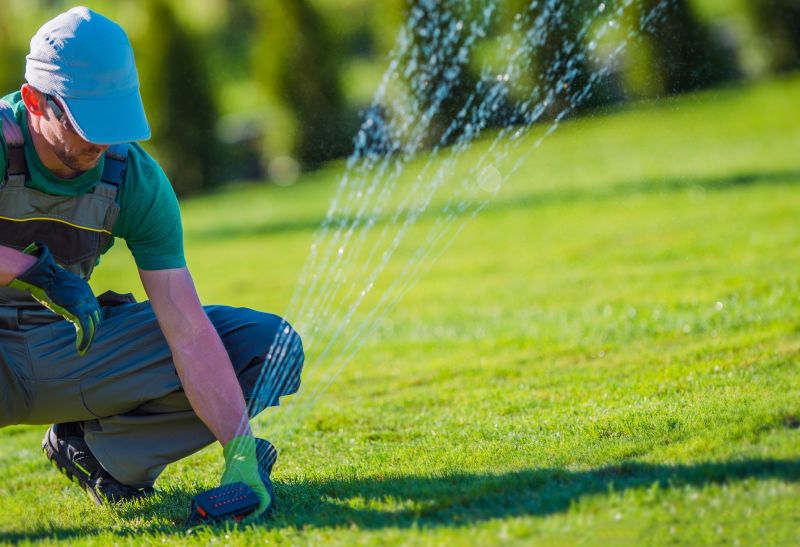
Late summer installations prepare landscapes for upcoming seasons.
Fall installations enable system testing before winter.
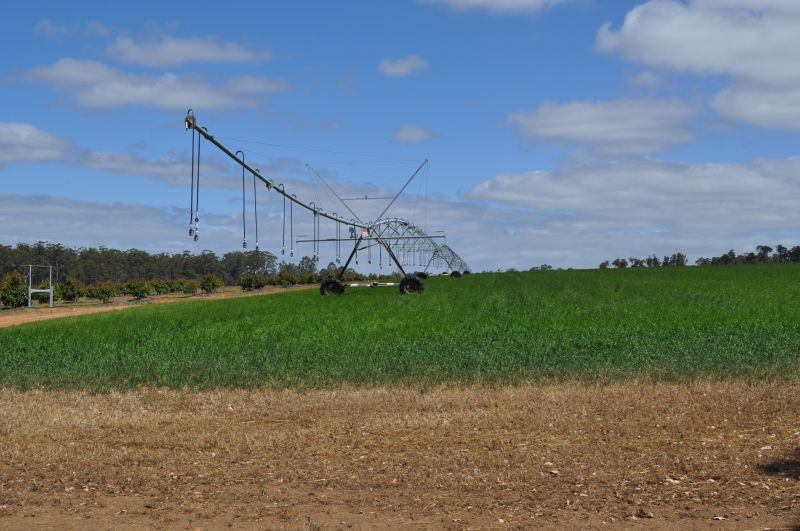
Ways to make Irrigation Installations work in tight or awkward layouts.
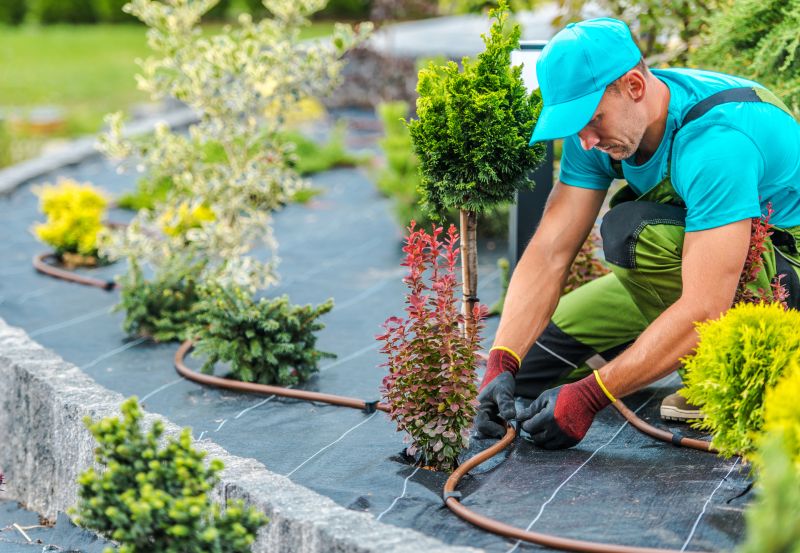
Popular materials for Irrigation Installations and why they hold up over time.
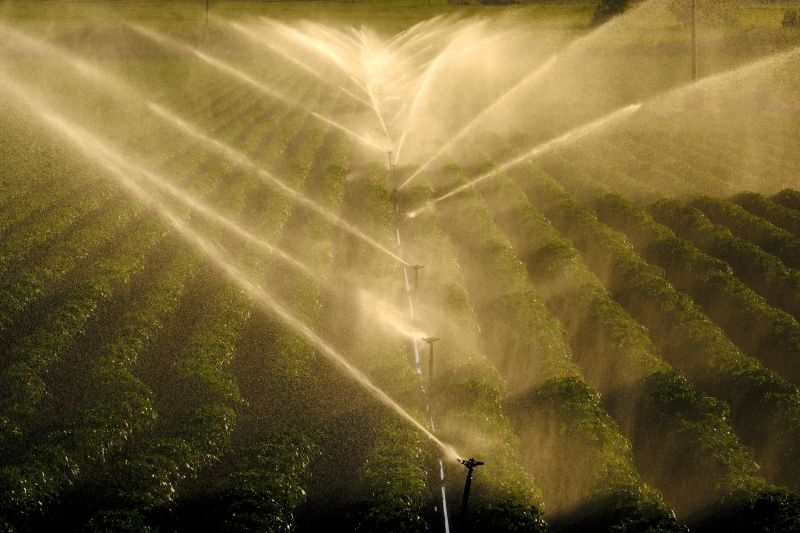
Simple add-ons that improve Irrigation Installations without blowing the budget.
| Season | Recommended Timing |
|---|---|
| Spring | Early to mid-spring, when soil warms and plants begin active growth. |
| Summer | Late summer, before the onset of cooler weather. |
| Fall | Early fall, to allow system testing before winter. |
| Winter | Not recommended due to cold temperatures and frozen ground. |
Irrigation installations involve the integration of watering systems designed to optimize water use efficiency across landscapes. Proper installation ensures uniform coverage, reduces water wastage, and promotes healthy plant growth. Advances in irrigation technology include drip systems, sprinkler heads, and automated controllers, which can be tailored to specific landscape needs. Regular maintenance and system checks are essential to maintain peak performance and prevent issues such as clogging or leaks.
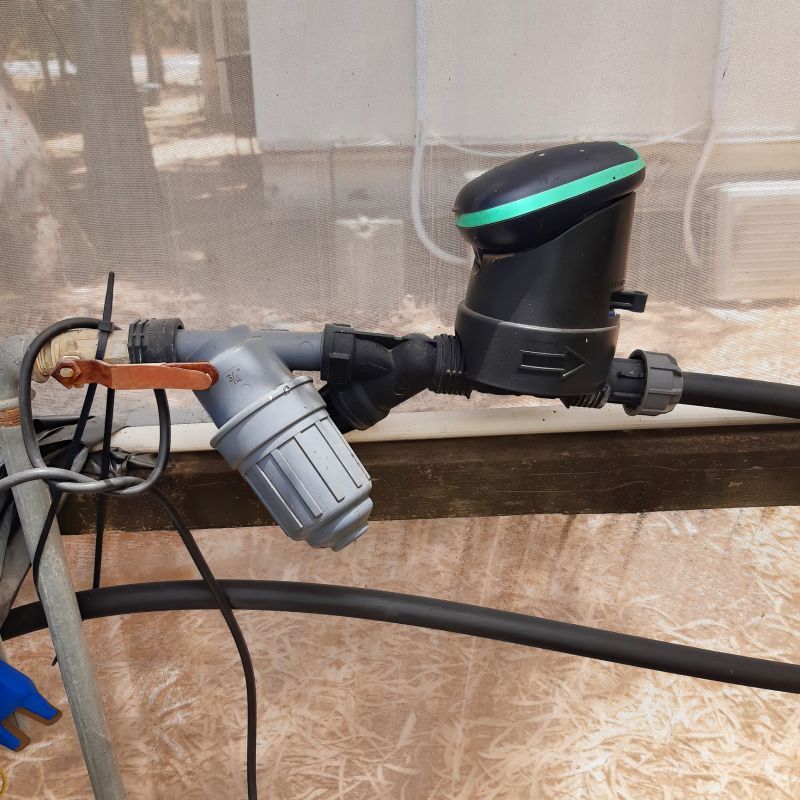
Includes pipes, valves, sprinkler heads, and controllers.
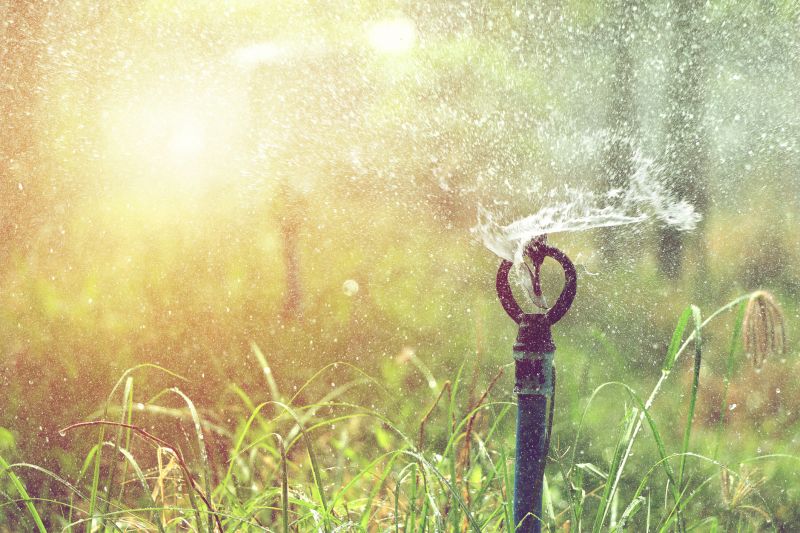
Ensures even water distribution across the landscape.
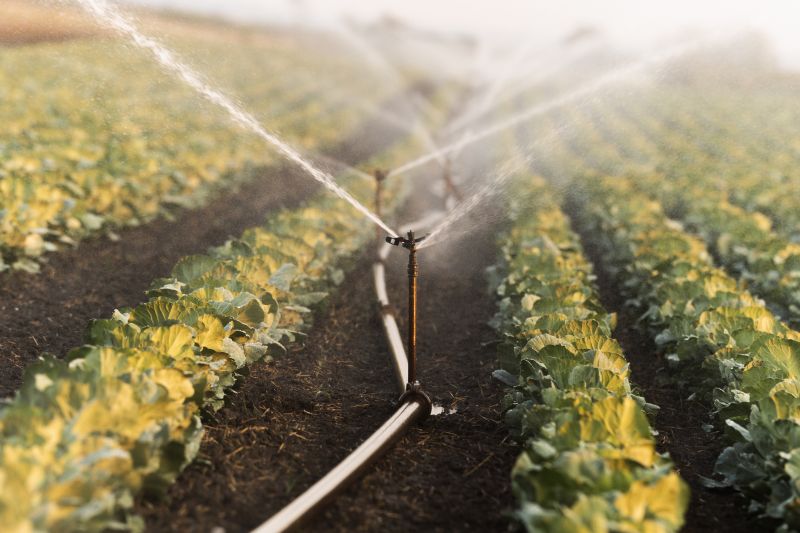
Enable scheduling and water management for efficiency.
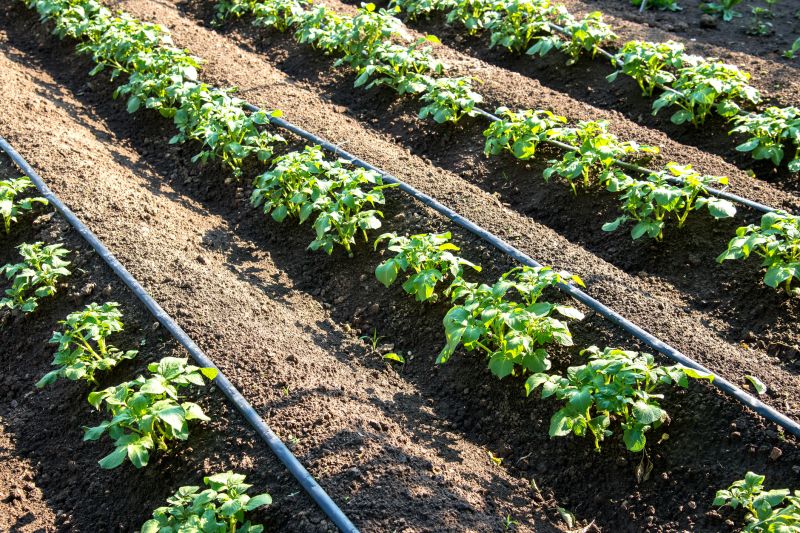
Ideal for precise watering of garden beds and shrubs.
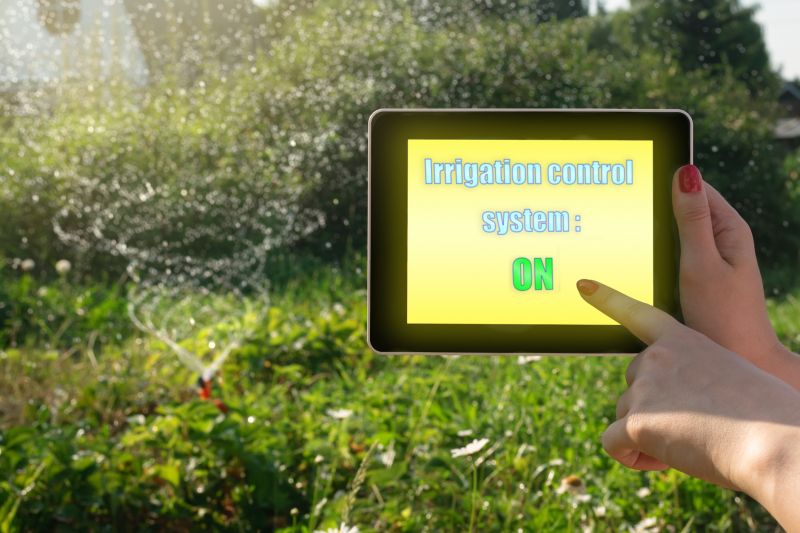
High-end options that actually feel worth it for Irrigation Installations.
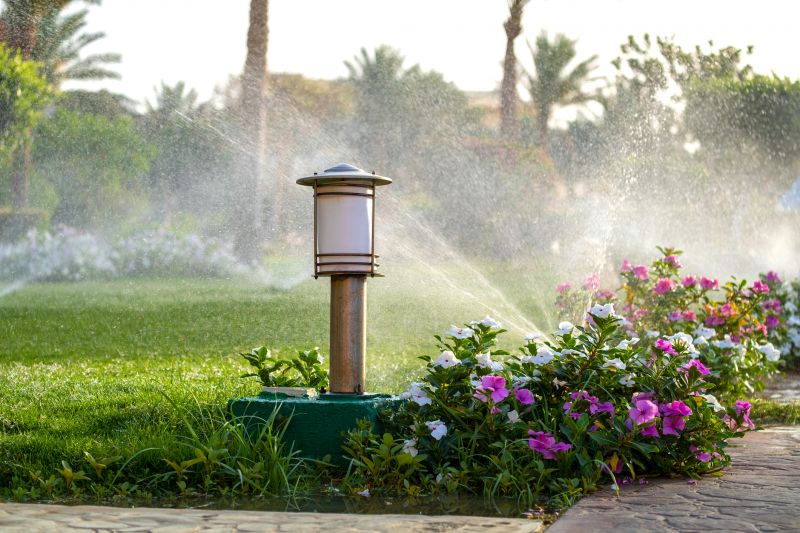
Finishes and colors that play nicely with Irrigation Installations.
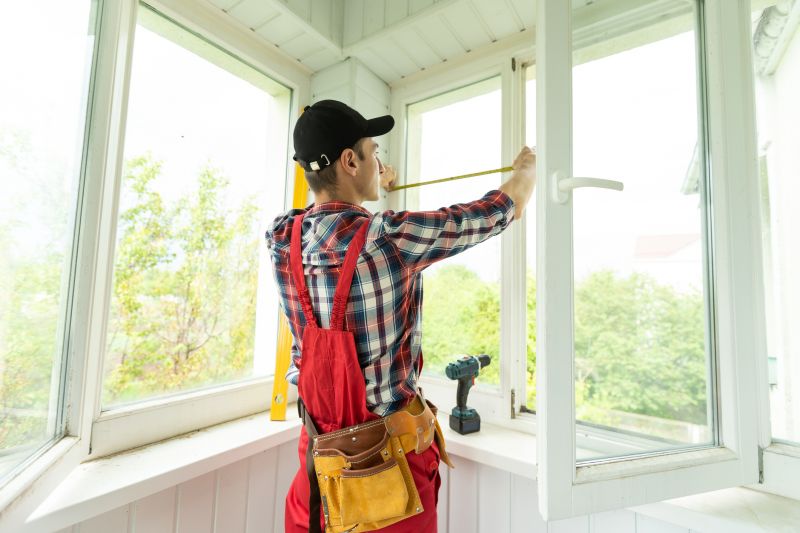
Little measurements that prevent headaches on Irrigation Installations day.
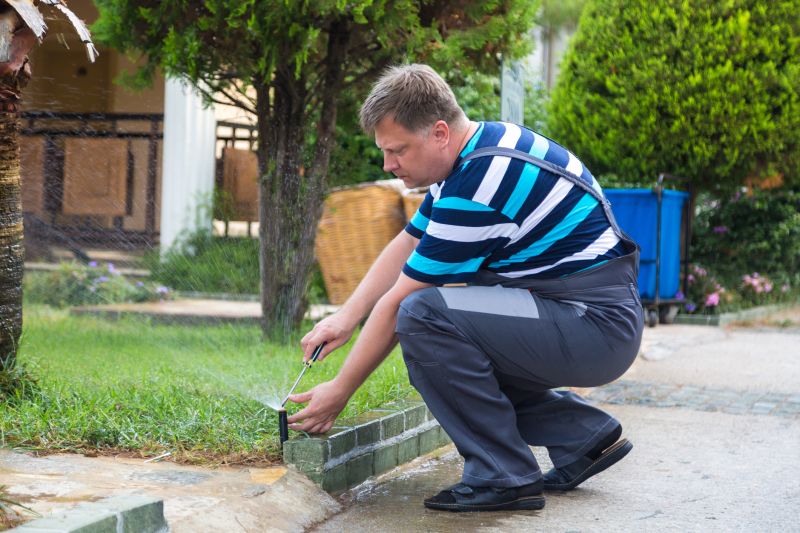
A 60-second routine that keeps Irrigation Installations looking new.
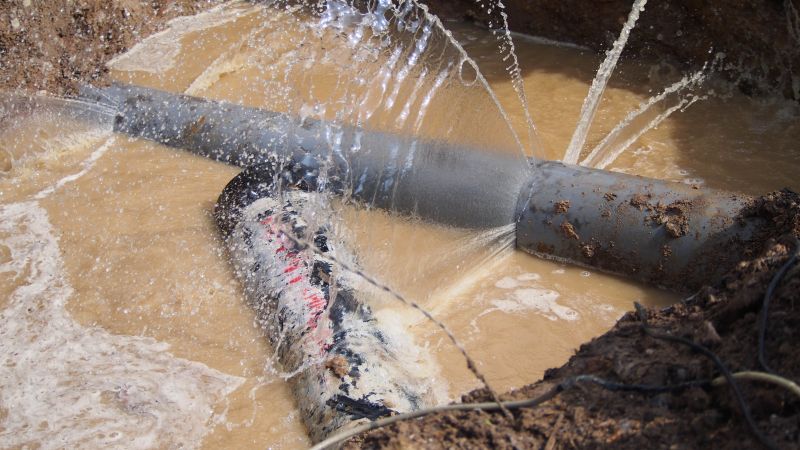
A frequent mistake in Irrigation Installations and how to dodge it.
Small tweaks to make Irrigation Installations safer and easier to use.
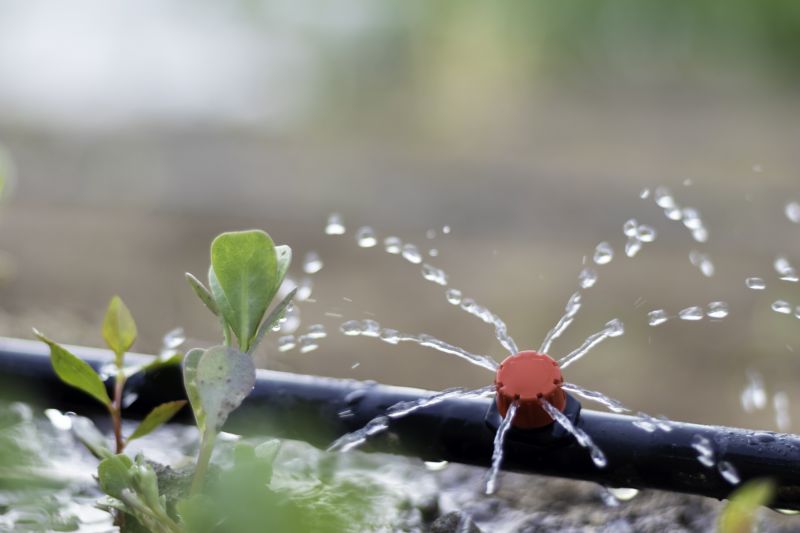
Lower-waste or water-saving choices for Irrigation Installations.
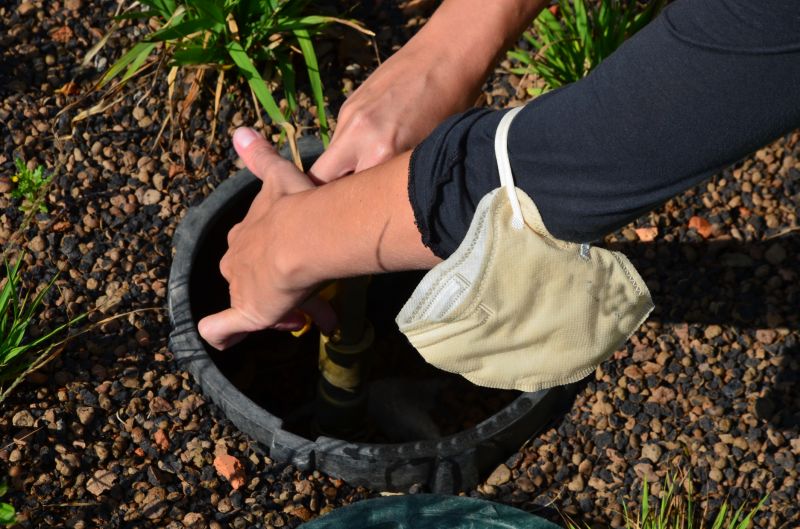
The short, realistic tool list for quality Irrigation Installations.
Proper timing and installation practices are vital for maximizing irrigation system benefits. Considering local climate patterns and plant requirements can influence the optimal installation window. Consulting with irrigation specialists can help determine the best schedule suited to specific landscape conditions. Efficient irrigation not only conserves water but also promotes healthier, more resilient landscapes.
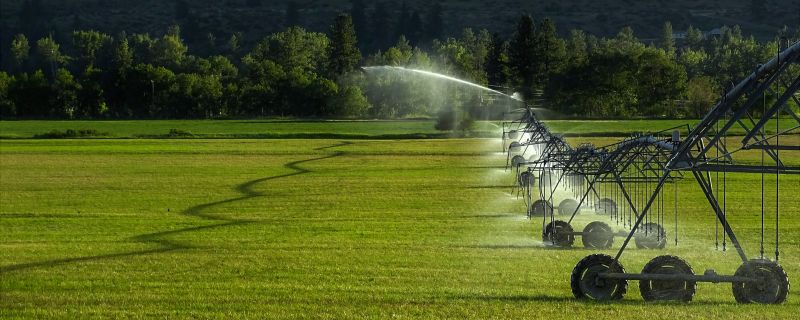
Shows the integration of irrigation systems within landscapes.
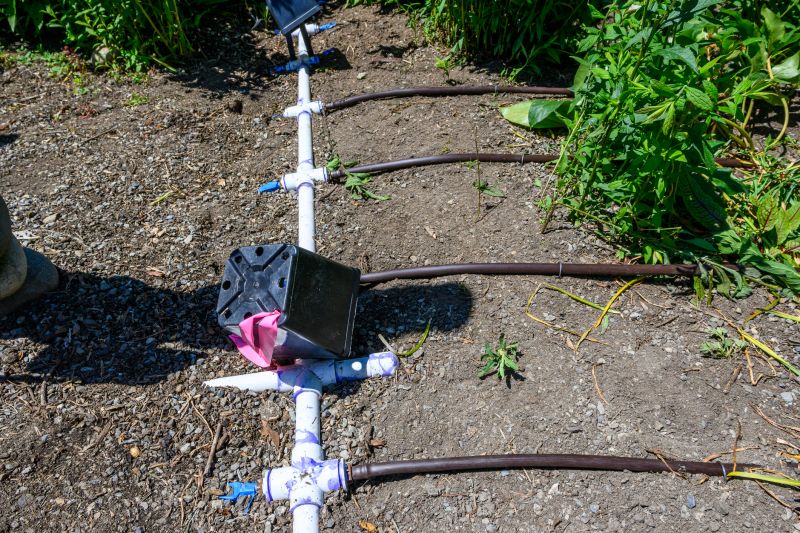
Ensures proper coverage and operation after installation.
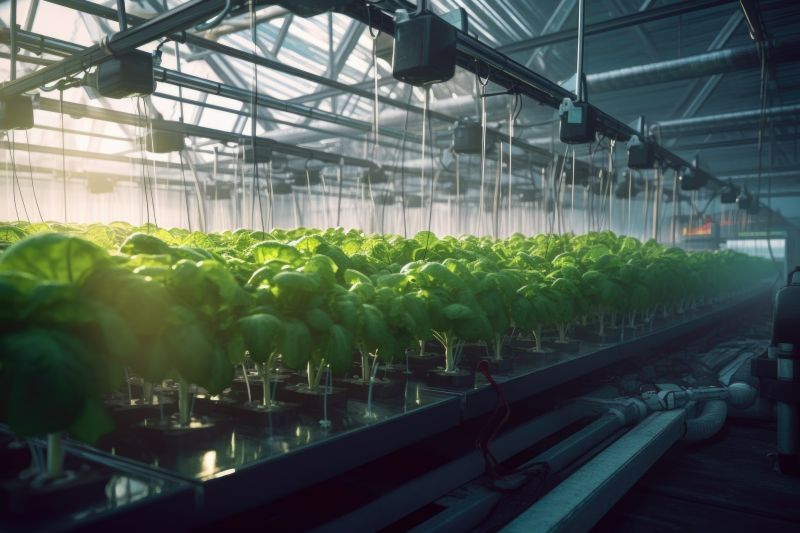
Features modern controllers and sensors for optimized watering.
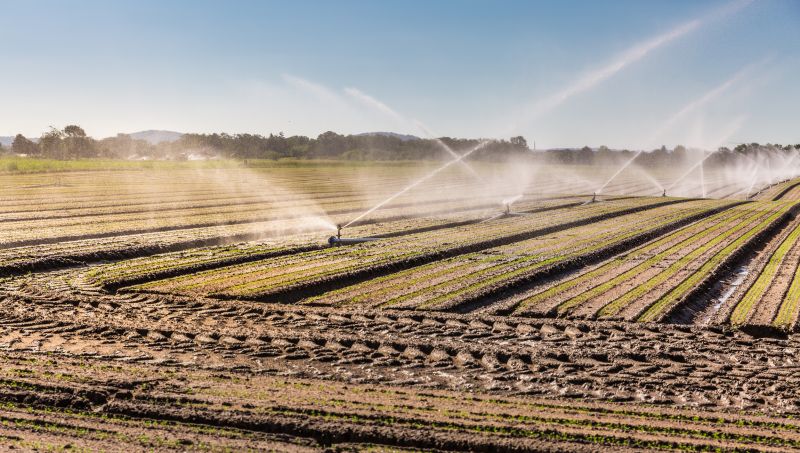
Rough timing from prep to clean-up for Irrigation Installations.
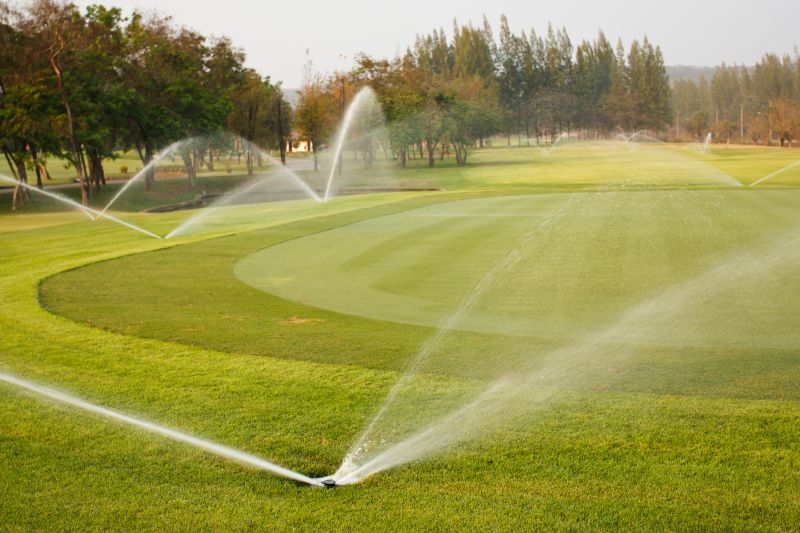
Quick checks and paperwork to keep after Irrigation Installations.
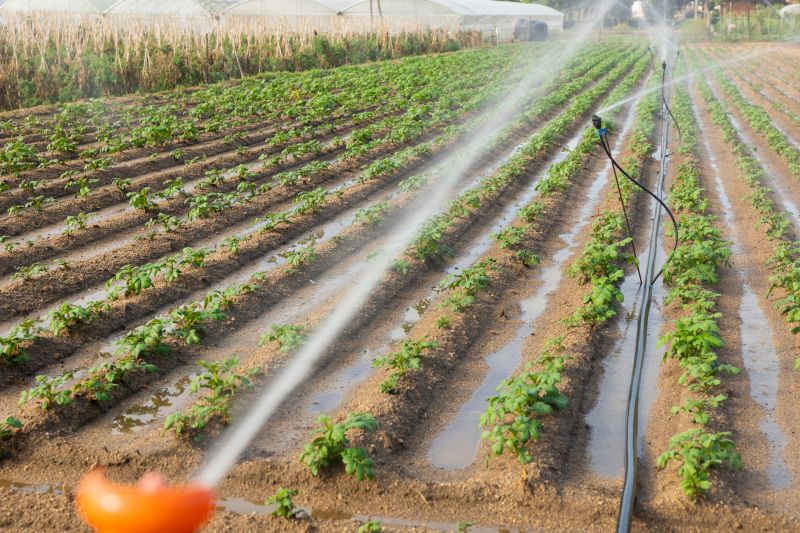
Examples that show the impact a good Irrigation Installations can make.
Interested parties should consider the timing of their irrigation installation to ensure system effectiveness and longevity. Proper planning and execution can lead to significant water savings and healthier landscapes. For tailored advice and professional installation, it is recommended to contact qualified irrigation specialists to discuss specific landscape needs and optimal scheduling.